When the weather warms up and pollen levels rise, many adults and children begin to experience the all-too-familiar signs of hayfever. But if your baby starts sneezing, has watery eyes, or a runny nose during spring or summer, you might wonder—can babies get hayfever?
The answer isn’t as straightforward as you might think. Hayfever in babies is less common than in older children, but it can happen, especially after the age of six months. In this article, we’ll explore the signs, causes, and treatment options for hayfever in infants and children, including advice on when and how to use children’s hayfever medicine safely.
What Is Hayfever?
Hayfever, also called seasonal allergic rhinitis, is an allergic reaction to airborne particles, most commonly pollen from trees, grasses, and weeds. The immune system reacts to these particles as if they were harmful, triggering a range of symptoms like sneezing, itchy or watery eyes, and nasal congestion.
- Other triggers can include:
- Mould spores
- Dust mites
- Pet dander
Although hayfever typically starts in older children and teenagers, younger children and even babies can be affected under the right circumstances.
Can Babies Have Hayfever?
Is It Possible for Babies to Get Hayfever?
Yes—babies can have hayfever, though it is unusual in the first few months of life. This is because allergies require repeated exposure to allergens over time. So, while newborns are unlikely to show signs of hayfever, it becomes more plausible in babies aged six months and older.
If you’ve ever wondered, "Can newborns get hayfever?"—the answer is that it’s rare, but not impossible. Most newborns haven’t had enough time or exposure to environmental allergens to develop allergic sensitivities. However, once a baby begins spending more time outdoors and is exposed to pollen regularly, symptoms may begin to appear, particularly if there’s a family history of allergies.
What Are the Signs of Hayfever in Babies?
Recognising hayfever symptoms in babies can be tricky because they often resemble a cold or mild respiratory illness. However, some key differences can help you tell the difference.
Common Signs of Hayfever in Babies:
- Frequent sneezing, especially during the day
- A clear, runny nose or nasal congestion
- Red, itchy, or watery eyes
- Coughing, particularly at night
- Rubbing or scratching at the nose or eyes
- Irritability or disturbed sleep
- No fever (a helpful distinction from viral colds)
If your baby shows these symptoms repeatedly during certain seasons, especially spring or summer, it may be time to consider hayfever in children as the underlying cause.
What Causes Hayfever in Infants?
Allergies are influenced by both genetics and environmental exposure. If one or both parents have allergies, asthma, or eczema, there’s a greater chance their child will also develop an allergic condition like hayfever.
Risk Factors Include:
- A family history of allergic conditions
- Early or prolonged exposure to allergens (e.g., pets, pollen, dust)
- Co-existing allergies or eczema
- A weakened or sensitive immune system
Can Babies Take Hayfever Medicine?
This is a question many parents ask: “Can babies have hayfever medicine?” The answer depends largely on your child’s age and the severity of symptoms.
Children’s Hayfever Medicine: What’s Safe?
For babies under 1 year old, treatment typically begins with non-medical approaches. However, in certain cases, a doctor may prescribe kids' hayfever medicine or recommend over-the-counter options suitable for young children.
Common Options May Include:
- Cetirizine or loratadine (antihistamines): Sometimes prescribed for children over 6 months old
- Saline nasal sprays: Safe for all ages, helps flush out allergens
- Barrier balms: Apply around the nostrils to trap pollen before it enters the nasal passages
Important: Always consult your GP or pharmacist before giving any hayfever medicine for kids, especially in babies and toddlers. Never assume an adult or older child’s dose is safe for a baby.
How to Treat Hayfever in Babies Naturally
Before turning to medication, there are several ways to help reduce hayfever symptoms using natural, non-invasive methods. These can be very effective, especially in mild to moderate cases.
Home Remedies and Lifestyle Tips:
- Avoid high pollen times – Stay indoors during early morning and evening when pollen counts are highest.
- Keep windows closed – Especially in your baby's nursery and car.
- Wipe down your baby’s face and hands – After spending time outdoors to remove pollen.
- Change clothes after outdoor exposure – This helps limit the transfer of pollen indoors.
- Use a humidifier – Keeps air moist and eases nasal irritation.
- Vacuum and dust frequently – To keep your home allergen-free, especially if you have pets.
These simple steps can significantly reduce your baby’s exposure to allergens and ease discomfort.
When to Speak to a GP
If symptoms persist for several weeks, affect your baby’s feeding or sleep, or worsen despite home care, it’s time to consult a GP. They can confirm whether your baby is suffering from hayfever or another condition and may recommend children’s hayfever medicine if appropriate.
In some cases, your GP might refer you to a paediatric allergist for further evaluation.
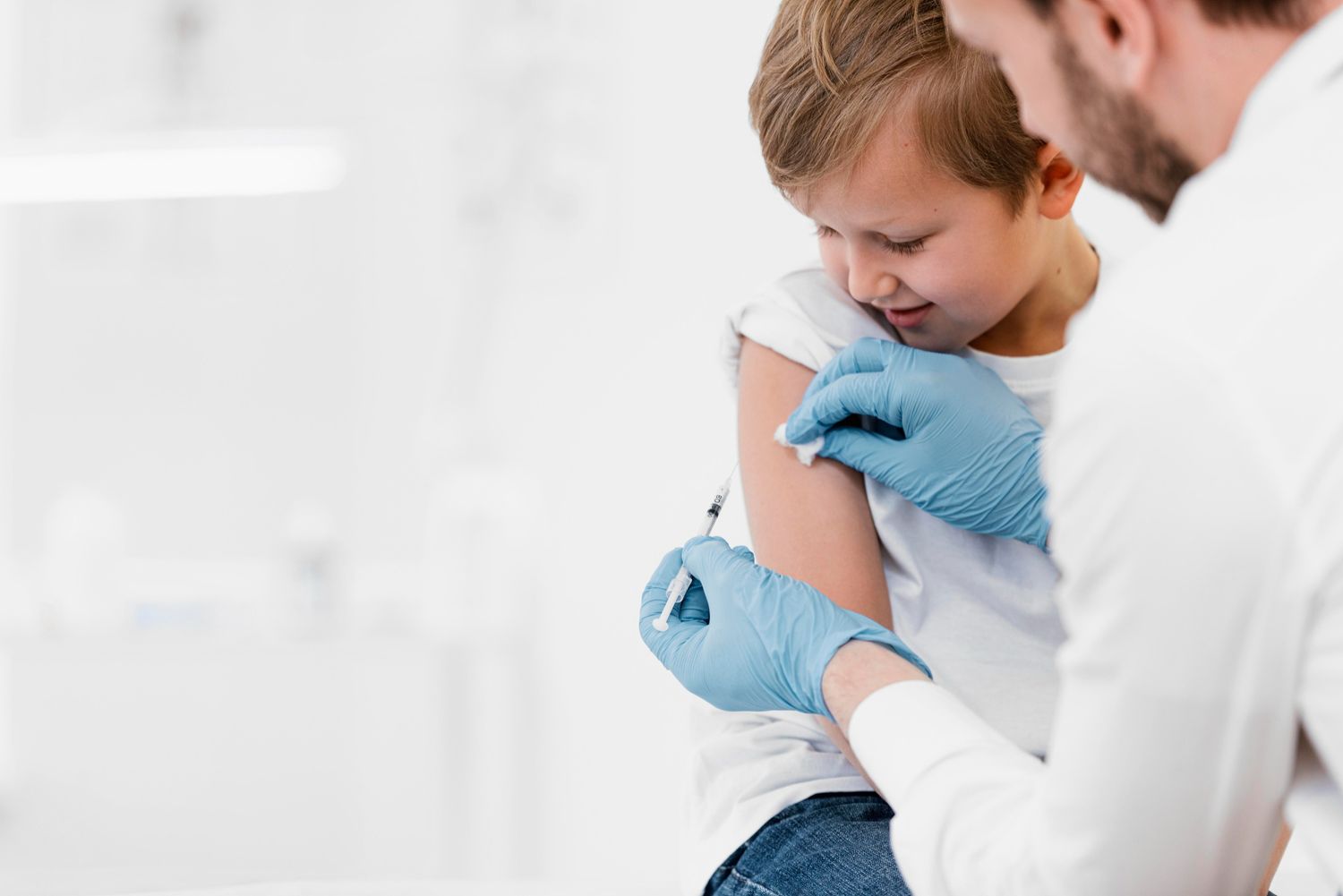
Hayfever Injections: What Parents Should Know
For older children and adults who suffer from severe, persistent symptoms, hayfever injections (such as corticosteroid shots or allergen immunotherapy) may be offered as a treatment option. These injections help the body build tolerance to allergens over time and can provide long-term relief.
However, it’s important to note that hayfever injections are not suitable for babies or very young children. These are only considered in more advanced or resistant cases in older children and require close monitoring by a specialist.
Final Thoughts
So, can babies get hayfever? Yes—especially after 6 months of age, when they begin to encounter more environmental allergens. While it’s rare in newborns, many infants with a family history of allergies may develop symptoms as their immune systems mature.
By learning to spot the signs of hayfever in babies early and taking a proactive approach, parents can manage symptoms effectively, often without the need for medication. When treatment is needed, there are safe hayfever medicines for kids available under medical guidance.
And for those dealing with more intense or long-term allergies, options like hayfever injections can provide relief, though these are strictly for older children and adults.